
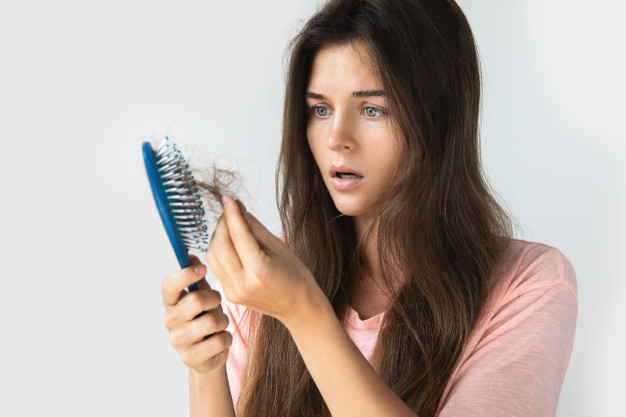
Hair carries weight far beyond its strands. A fading hairline or thinning crown often hits harder than expected, stirring thoughts that run far ahead of physical change.
Many carry those worries quietly, yet the inner disturbances swell with each passing day. Hair loss tends to creep into the mind, sliding under confidence, shaking comfort, and planting uneasy questions about identity.
A sudden shift in appearance rarely stays on the surface. The mind registers it first, and the heart follows with mixed signals. Some try fighting it with treatments, while others hide under hats or long evenings of worry.
A sense of losing control rises slowly, and the emotional burden grows heavier. When hair loss deepens, thoughts stretch into places many never expected to explore.
1. Sudden Drop in Self-Confidence
Confidence often leans on appearance without saying it aloud. When hair starts falling faster than expected, confidence shrinks almost overnight. A person who once walked with ease may suddenly hesitate before stepping out.
Short and sharp internal jolts often follow:
- Fear of being judged
- Unwanted comparisons
- Doubts about attractiveness
- Reluctance to speak in public
- Avoiding cameras or mirrors
Many try brushing off these feelings, yet the sting remains. Self-confidence shakes because hair loss alters a familiar identity. The face in the mirror doesn’t match the memory stored in the mind, and the disconnect grows louder each time it appears.
2. Anxiety Around Personal Appearance
Anxiety comes in small waves at first. A hand runs through hair, finds more strands than expected, and the pulse quickens. Soon, each morning starts with a silent inspection: the pillow, the sink, the shower drain. Anxiety becomes a routine shadow, whispering doubts.
The mind races with questions:
- “What if it gets worse tomorrow?”
- “What if others notice?”
- “What if no treatment works?”
Even casual outings feel heavier because attention drifts back to appearance. Anxiety keeps circling, feeding on fear of worsening changes. For many, it becomes exhausting, as if every thought tries to guard against future loss.
3. Social Withdrawal Without Intention
Hair loss can change how someone enters a room. Some begin stepping back from gatherings, pushing friends away slowly, not with words but with absence.
Reasons vary:
- Feeling less attractive
- Worrying about comments
- Avoiding teasing
- Not wanting to explain the change
Social spaces once filled with joy may start feeling unsafe. Withdrawal isn’t always a conscious decision; it often begins as tiny excuses, then becomes a habit. Over time, loneliness settles in, turning quiet evenings into longer nights.
4. Emotional Exhaustion From Constant Worry
Hair loss rarely stays a simple physical event. It pulls the mind into a loop of repeated thoughts, draining emotional energy. Daily life continues, yet inside, a tug-of-war unfolds.
Stress builds up when:
- Treatments fail
- Online research overwhelms
- Money goes into solutions that disappoint
- Support from others feels unclear
Emotional exhaustion sets in when every plan feels uncertain. The burden grows even heavier when hair loss progresses faster than expected. Such fatigue often becomes invisible to others, making it harder to seek comfort.
5. Identity Confusion and Loss of Personal Image
Hair often shapes identity more than people admit. When hair fades, identity shifts too. A person who once felt proud of thick curls or sharp cuts may struggle to connect with the new reflection.
Identity confusion surfaces when:
- Familiar styles no longer work
- Old photos sting
- Self-image feels broken
- The past version of oneself feels distant
The mind tries holding onto the older identity, but change keeps pulling in another direction. The struggle between past and present creates emotional uncertainty, causing deeper psychological strain.
6. Fear of Aging Before Time
Hair loss often triggers fear of aging earlier than expected. A thinning scalp can make someone feel older than their actual age, creating a sense that time is moving too fast.
Common thoughts include:
- “Age is catching up too soon.”
- “Others may think I’m older.”
- “Youth seems to slip away.”
Such fears make even normal routines feel different. A casual glance in a shop window may spark sudden sadness or irritability. Hair loss becomes a symbol of aging rather than a standalone issue, intensifying the emotional load.
7. Strain on Personal and Romantic Relationships
Hair loss can shake relationship dynamics quietly. A partner might say nothing wrong, yet insecurity builds inside the affected individual. Every compliment feels weaker. Every silence feels louder.
Relationship strain rises when:
- Insecurity affects communication
- Intimacy feels awkward
- Confidence drops during social events
- Fear of rejection grows
Many partners remain supportive, yet internal doubts overpower reassurance. Emotional distance forms, not from lack of love, but from the discomfort triggered by appearance changes. Hair loss disrupts the flow of affection when insecurities take control.
8. Impact on Career Confidence and Professional Presence
Hair loss sometimes creeps into the workplace, changing how someone behaves in professional settings. Meetings, presentations, or leadership roles may suddenly feel more stressful.
Reasons behind this shift:
- Fear of appearing less energetic
- Worry that colleagues might judge maturity based on hair
- Lack of comfort in formal environments
- Reduced willingness to take bold decisions
Professional presence often relies on confidence. When confidence dips, performance follows. Even skilled individuals may hold back, thinking their appearance changes the way others perceive them. Such self-doubt slowly affects motivation, career growth, and daily interactions.
9. Depression Triggered by Persistent Helplessness
Repeated hair loss without improvement can spark feelings of helplessness. Each failed attempt at treatment adds weight. Each new patch of thinning hair deepens frustration. Over time, the emotional impact may spiral into mild or even severe depression.
Signs often include:
- Persistent sadness
- Lack of interest in hobbies
- Feeling detached
- Loss of energy
- Trouble focusing
The sense of losing something permanent – something tied to identity – can push the mind into darker corners. Depression linked to hair loss is more common than many imagine, yet it often goes unnoticed.
10. Obsession With Appearance and Overthinking
Hair loss can sometimes pull individuals into obsessive thinking. Every tiny change feels dramatic. Every reflective surface becomes a checkpoint. Days revolve around treatments, hairstyles, and attempts to hide thinning spots.
Common signs of appearance-based obsession:
- Frequent mirror checks
- Excessive research about hair loss cures
- Comparing progress every few hours
- Feeling panic when hair sheds normally
- Trackers, photos, and constant monitoring
Such overthinking steals mental peace. Even routine activities suffer because attention gets redirected toward appearance. A cycle of fear, monitoring, and disappointment forms, and breaking free from it becomes a challenge.
How Hair Loss Impacts Mental Stability Over Time
Hair loss rarely hits all at once. Emotional effects build layer by layer. A small patch becomes a ripple. Compliments turn into reminders. Friends may joke harmlessly, yet the joke lingers longer than intended.
Long-term psychological strain emerges due to:
- Continuous self-scrutiny
- Fear of social exposure
- Frustration with unpredictable changes
- Hopelessness when solutions fail
When left unchecked, these effects dig deeper, shaping overall mental health. Emotional endurance weakens, and the mind grows tired of constant alertness.
Why Understanding These Effects Matters
Awareness works like a quiet cushion beneath heavy emotions. People facing hair loss often hide their struggles because the world treats it as a minor cosmetic issue. Yet inside, it shakes foundations most cannot see.
Understanding these effects helps in:
- Recognizing hidden distress
- Offering emotional support
- Breaking stigma around appearance-related mental health
- Encouraging healthier coping habits
- Promoting early support before anxiety or depression grows stronger
Hair loss may not threaten physical health, but the psychological toll can be substantial. Insight helps bring clarity, easing the emotional burden piece by piece.
Ways Individuals Can Ease the Psychological Load
A few gentle steps can ease the mental pressure, helping regain balance.
Practical Coping Approaches
- Talking with supportive friends or family
- Consulting a mental health expert for persistent distress
- Joining online communities for shared experiences
- Trying new hairstyles instead of hiding
- Choosing treatments carefully rather than obsessively
- Focusing on strengths unrelated to appearance
Small shifts in perspective often spark larger emotional relief.
Final Thoughts
Hair loss carries more weight in the mind than on the scalp. Emotional storms rise quietly, confidence slips, and identity shifts. The psychological effects listed above capture the range of struggles many face – even if spoken rarely.
Understanding them helps reduce silence, ease inner conflict, and encourage healthier responses. Hair may fall, yet emotional stability can still stand firm with the right awareness and support.
Also Read: