
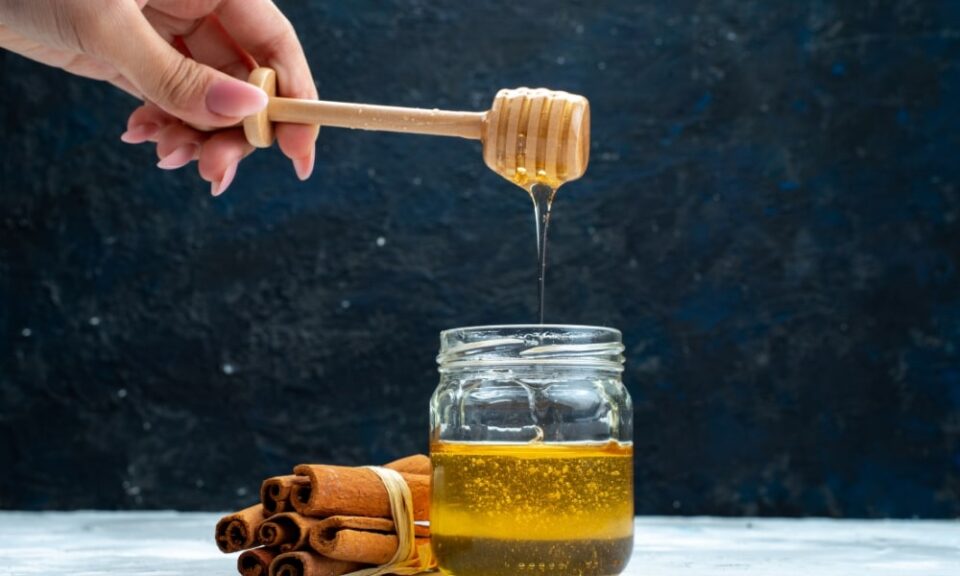
Night routines shape physical recovery more than daytime habits. What enters the body before sleep influences hormone balance, digestion rhythm, and tissue repair.
Among simple night-time practices, drinking honey holds a quiet reputation. No hype. No sudden miracles. Just steady biological support working while the body slows down.
Honey functions differently at night than during active hours. Metabolism shifts. Cortisol drops. Repair signals rise. When consumed before sleep, honey aligns with these changes instead of fighting them.
The result is subtle but cumulative improvement across sleep quality, digestion, immunity, and metabolic balance.
Below are the ten most relevant benefits of drinking honey at night, explained with functional depth and practical clarity.
Benefits Of Drinking Honey at Night
1. Supports Deeper and More Stable Sleep
Sleep disruption often links to unstable blood sugar during the night. When glucose dips, the body releases stress hormones. That release interrupts rest. Honey offers a slow, steady carbohydrate source that helps maintain glucose balance through the night.
This stability reduces unnecessary cortisol spikes. Lower cortisol supports melatonin function. Melatonin governs sleep timing and depth. With fewer interruptions, sleep cycles extend naturally.
Honey does not sedate. It supports conditions that allow sleep to happen on its own terms.
2. Aids Natural Night-Time Liver Recovery
During sleep, the liver shifts from digestion to detox and glycogen regulation. If glycogen reserves fall too low, the liver signals stress responses to compensate.
A small dose of honey before bed supplies gentle glucose support. That support spares liver glycogen stores. With reserves intact, the liver focuses on repair and metabolic cleanup rather than emergency glucose production.
Consistent night-time liver support improves overall metabolic efficiency over time.
3. Reduces Night-Time Hunger and Cravings
Late-night hunger often reflects hormonal imbalance rather than real energy demand. Ghrelin rises. Leptin drops. The result feels urgent.
Honey moderates this cycle. Its natural sugars satisfy taste receptors quickly while signaling satiety hormones. The effect reduces midnight snacking urges that disrupt digestion and sleep.
Less late-night eating leads to calmer digestion and improved morning appetite control.
4. Supports Digestive Repair During Rest
Digestion does not stop during sleep. Repair replaces breakdown. Honey contains enzymes and natural prebiotic compounds that feed beneficial gut bacteria.
Taken at night, honey supports intestinal lining maintenance while digestive movement slows. This timing reduces irritation and supports smoother bowel activity the next day.
Gentle digestion overnight translates into reduced bloating and improved nutrient absorption.
5. Helps Balance Stress Hormones Overnight
Chronic stress often shows its sharpest edges at night. Racing thoughts. Light sleep. Early waking.
Honey assists indirectly by stabilizing blood sugar. Stable glucose reduces adrenal activation. Lower adrenal demand means fewer stress hormone releases.
Over time, this pattern supports calmer mornings and improved stress resilience across the day.
6. Supports Immune System Activity During Sleep
Immune repair peaks during deep sleep. White blood cell activity rises. Inflammatory markers recalibrate.
Honey contains antioxidants and antimicrobial compounds that complement immune repair. Taken before bed, honey supports immune processes already underway rather than interrupting them.
This support becomes more relevant during seasonal changes, fatigue cycles, or recovery periods.
7. Improves Muscle Recovery and Tissue Repair
Physical repair accelerates at night. Growth hormone release increases during early sleep stages. This hormone supports muscle repair and cellular regeneration.
Honey supplies a small carbohydrate source that prevents overnight protein breakdown. With energy available, the body preserves muscle tissue rather than converting it into fuel.
This benefit matters for physically active individuals as well as those managing age-related muscle decline.
8. Supports Respiratory Comfort During Sleep
Dry airways disrupt sleep quality. Cough reflex sensitivity increases at night due to horizontal positioning.
Honey coats the throat gently. Its antimicrobial action reduces irritation. This combination eases nighttime coughing and throat dryness.
Improved airway comfort leads to fewer awakenings and more continuous rest.
9. Helps Regulate Fat Metabolism Overnight
Fat metabolism depends on hormonal balance. Insulin spikes block fat use. Severe glucose drops trigger stress hormones that also disrupt fat processing.
Honey offers balance. Its slow sugar release prevents extremes. With stable insulin levels, fat metabolism continues without interruption.
Over time, this balance supports healthier body composition when combined with structured nutrition.
10. Creates a Consistent and Calming Night Ritual
Physiology responds to patterns. Repetition builds predictability. Predictability signals safety to the nervous system.
A nightly honey routine acts as a psychological and biological cue. The body learns what comes next. Heart rate slows. Mental noise fades.
Rituals reduce cognitive load. Reduced load improves sleep onset. Simple habits create compound results.
Best Way to Drink Honey at Night
Method matters. Raw or minimally processed honey delivers the strongest benefits. Excessive heating destroys enzymes.
A teaspoon of honey in warm water works well. The water should feel comfortable, not hot. Straight honey also works when digestion tolerates it.
Timing sits best thirty to sixty minutes before sleep. Closer timing may stimulate digestion instead of rest.
Consistency outweighs quantity. Small amounts outperform excess.
Who Should Be Cautious
Individuals with blood sugar disorders should monitor responses carefully. Honey remains a sugar source, even when natural.
Portion control prevents adverse effects. Professional guidance helps align honey use with broader health goals.
Balance always wins over extremes.
Conclusion
Drinking honey at night delivers layered benefits that align with the body’s natural repair cycle. Sleep stabilizes. Stress responses soften. Digestion calms. Immune and metabolic systems receive quiet support.
Honey does not force outcomes. It supports conditions that allow recovery to unfold naturally. The results appear gradually, then stay.
Simple practices, repeated consistently, reshape health more effectively than complex plans. Honey at night remains one of those practices.
Also Read: